Mobile IV Therapy
Mobile iv therapy brings iv hydration, vitamins, and medications directly to homes, offices, and hotels—usually within 1–2 hours of booking in most major cities. Instead of sitting in a waiting room or driving across town, a licensed nurse arrives at your desired location with everything needed for treatment.
Key Takeaways
- Mobile iv therapy delivers fluids, electrolytes, and vitamins directly to your bloodstream at your own home, office, or hotel, with most providers arriving within 1–2 hours in urban service areas.
- Sessions typically last 30–45 minutes, are available 7 days a week with same-day appointments, and are administered by a registered nurse or paramedic under medical doctor oversight.
- Common uses include dehydration recovery, immune support, hangover iv therapy, athletic performance, jet lag relief, and general wellness—with customizable vitamin add-ons available.
- Safety protocols include medical screening, vital sign checks, and sterile equipment, though this service is designed for non-emergency wellness needs, not life-threatening conditions.
- Pricing in the U.S. typically ranges from $150–$400+ depending on the treatment, with group event discounts often available; most providers do not accept insurance for elective iv services.
This is paragraph text. Click it or hit the Manage Text button to change the font, color, size, format, and more. To set up site-wide paragraph and title styles, go to Site Theme.
What Is Mobile IV Therapy?
Mobile iv therapy is a concierge-style medical service where a mobile iv nurse travels directly to the client and administers iv fluids, electrolytes, vitamins, minerals, and sometimes medications on-site. Rather than visiting a clinic or hospital, you schedule an appointment and a licensed healthcare professional comes to you—whether that’s your living room, hotel suite, or workplace.
This differs significantly from clinic-based IV bars, which often require appointments amid fixed schedules and crowded waiting areas, and from hospital infusions, which are typically reserved for acute medical emergencies. Mobile iv therapy emphasizes comfort, time savings, and on-demand scheduling for non-emergency wellness applications. You can relax in your preferred environment while receiving treatment rather than navigating traffic or waiting your turn.
The basic science is straightforward: iv therapy delivers nutrients directly into your bloodstream, bypassing the digestive system entirely. While oral supplements might achieve 20–50% absorption due to gastrointestinal barriers, iv delivery can reach near-100% absorption rates. This means faster symptom relief—often within 15–30 minutes of starting the infusion—and more predictable effects since your body doesn’t have to process nutrients through digestion first.
Important note: Mobile iv therapy is designed for non-emergency wellness support and mild to moderate symptoms. It is not a replacement for emergency care. If you’re experiencing chest pain, severe shortness of breath, confusion, or other serious symptoms, you should call 911 or go directly to an ER.
Key benefits of mobile iv therapy:
- Fast absorption of fluids, vitamins, and minerals directly into the bloodstream
- Convenience of treatment at home, office, hotel, or event venue
- Personalized drips customized to your specific health and wellness needs
- No waiting rooms, travel time, or scheduling hassles
How Mobile IV Therapy Works (Step-by-Step)
The whole process typically unfolds in three main stages—booking, screening, and treatment—often completed within a few hours from first contact to finish. Here’s exactly what to expect when you book online or call to schedule.
Step 1 – Schedule an Appointment
Booking usually happens through an online form, mobile app, or phone call. You’ll select your treatment type (such as hydration, immune boost, or hangover relief), specify your location, and choose your preferred time window. Most providers in urban areas offer same-day availability with response times of 1–2 hours.
Step 2 – Medical Review
After booking, you’ll complete a brief health questionnaire covering allergies, current medications, kidney function, pregnancy status, and recent symptoms. A licensed medical director—typically an MD, NP, or PA—reviews this information to confirm you’re a good candidate for iv therapy treatments. They may customize the drip formula or adjust fluid volumes based on your medical needs.
Step 3 – Nurse Arrival
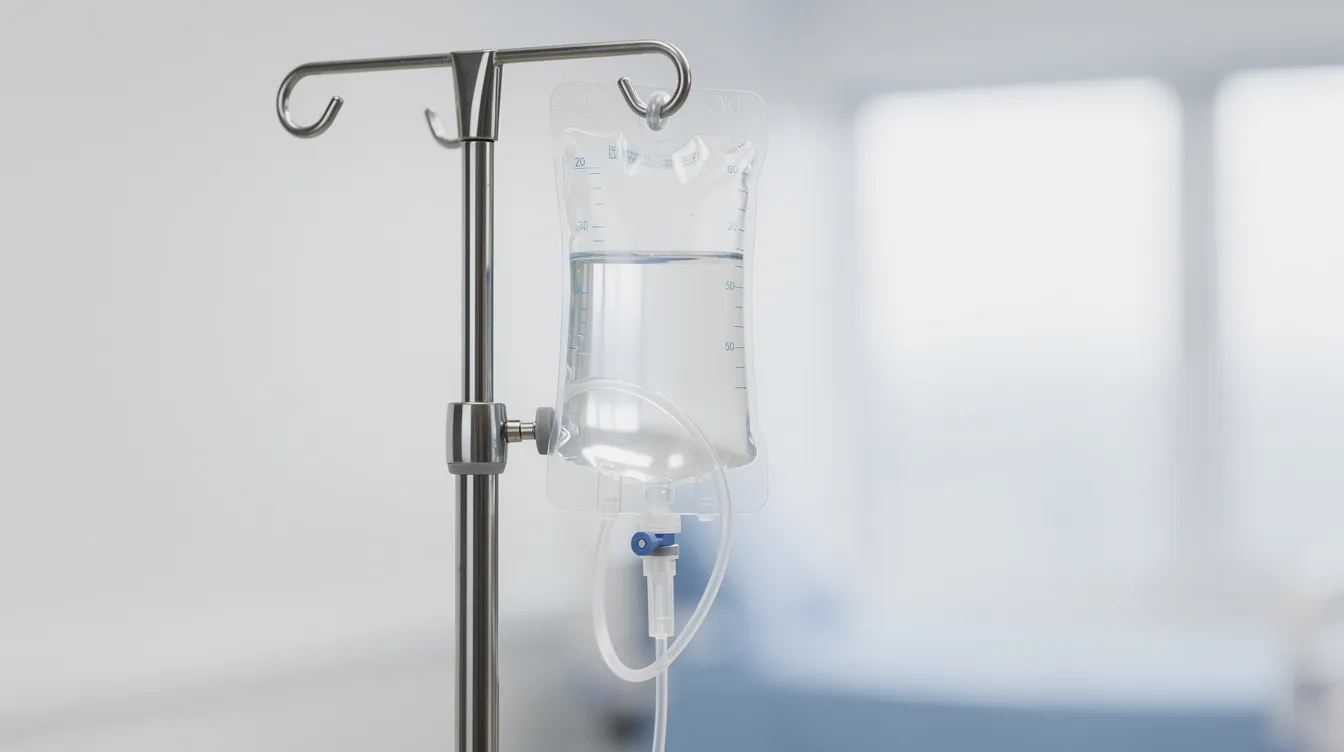
A registered nurse or paramedic arrives at your scheduled time with all necessary equipment: iv bag, tubing, catheter, sterile supplies, and a portable medical kit. They’ll verify your identity and review your medical history again in person before proceeding.
Step 4 – Vital Signs and Assessment
Before starting any infusion, the nurse checks your vital signs—blood pressure, heart rate, and oxygen saturation—using portable monitoring equipment. They’ll ask about current symptoms, recent food and fluid intake, and any medications or supplements you’ve taken. This assessment ensures you’re stable and ready for treatment.
Step 5 – IV Placement and Infusion
The nurse inserts a small catheter (typically 22–24 gauge) into a vein in your arm or hand using sterile technique. Once the line is secure, the iv drip begins. Standard infusion therapy sessions last 30–45 minutes, during which you can relax, read, work, or watch TV. The nurse monitors you throughout for any signs of discomfort or complications.
Step 6 – Post-Treatment Wrap-Up
After the infusion completes, the nurse removes the catheter and applies a small pressure bandage. They’ll review aftercare instructions—typically recommending continued oral hydration, avoiding strenuous activity for about 24 hours, and how to contact support if you have questions. You’ll receive documentation of your treatment for your records.

Popular Mobile IV Therapy Treatments
Most providers offer a menu of named drips plus custom blends tailored to specific goals. Combinations typically start with a base of normal saline (0.9%) or Lactated Ringer’s solution, then add targeted vitamins, minerals, amino acids, and sometimes medications.
Hydration & Recovery Drips
These iv treatments are the foundation of mobile iv services, designed for dehydration from illness, heat exposure, travel, or simply not drinking enough water. A typical formulation includes 500–1000mL of iv fluids with B-vitamins (B1, B6, B12) and electrolytes. Clients often report feeling significantly better within 20–30 minutes as plasma volume restores and fatigue lifts.
Hangover Relief Packages
Perhaps the most well-known application, hangover iv therapy combines 1000mL fluids, high-dose vitamin C (2–10g), B-complex vitamins, anti-nausea medication like ondansetron (4–8mg), and optional anti-inflammatory medications. Sessions typically run 30–45 minutes and target the upset stomach, headache, and dehydration caused by alcohol. Providers report 80–90% client satisfaction for morning-after recovery.
Immune Support & Cold/Flu Drips
When you’re feeling ill or worried about getting sick after exposure, immune support drips aim to give your immune system a boost. Common ingredients include high-dose vitamin C (10–25g), zinc (10–30mg), glutathione (a powerful antioxidant), and B-vitamins. While these drips are marketed to ease symptoms and speed recovery, it’s worth noting that evidence remains largely observational rather than backed by large clinical trials.
Performance & Athletic Recovery Drips
Athletes and active individuals use these blends before or after endurance events, tournaments, or heavy training blocks. Formulations often include amino acids like taurine (1–2g), magnesium (1g), carnitine, and extra fluids to support hydration and muscle recovery. Given that sweat losses can exceed 1 liter per hour during intense exercise, iv vitamin therapy helps maintain energy levels and reduce post-event fatigue.
Wellness & Beauty Drips
The classic myers cocktail—originally developed by Dr. John Myers in the 1970s—remains a popular option, combining magnesium, calcium, B-vitamins, and vitamin C in a 250mL infusion. Modern variations include skin and hair support drips featuring antioxidants like glutathione and biotin, marketed for anti aging benefits and overall wellness. Stress and energy blends also fall into this category, aimed at busy professionals seeking mental clarity and improved well being.
NAD+ and Specialty Infusions
Some providers offer NAD+ (nicotinamide adenine dinucleotide) infusions for cognitive support, anti-aging, and cellular energy production. These sessions run longer—typically 1–4 hours—because NAD+ must be administered slowly (250–500mg) to minimize side effects like chest tightness. Expect to pay 3–5x more than standard hydration drips for NAD+ therapy.
Who Can Benefit From Mobile IV Therapy?
Mobile iv therapy is aimed at adults who want fast relief or wellness support but don’t require emergency room care. Each patient is individually screened to ensure they’re a good candidate for treatment.
After Illness
Post-illness dehydration from flu, food poisoning, or stomach bugs is one of the most common reasons people seek home iv therapy. When you can’t keep fluids down due to vomiting or diarrhea, iv hydration bypasses your digestive system to restore what you’ve lost—equivalent to drinking 2–4 liters of fluid in under an hour.
After Travel
Jet lag and the dehydration that comes from long flights (estimated at 10–20% circadian dehydration) make travelers prime candidates for mobile iv services. A quick drip at your hotel can help you adjust faster and feel ready for business meetings or vacation activities.
Before or After Events
Bachelor and bachelorette parties, weddings, music festivals, and corporate retreats frequently book group event services. Athletic teams use IV support around tournaments or marathons where optimal health and peak hydration matter. Many providers offer group discounts for 5+ simultaneous drips.
Busy Professionals and Parents
If taking time off work, arranging childcare, or sitting in an urgent care waiting room sounds impossible, in-home treatment eliminates those barriers. A 45-minute session fits into lunch breaks or after the kids go to bed. The service comes to you rather than the other way around.
Typical Eligibility
Most providers serve adults 18 and older who weigh over approximately 100 lbs (45 kg) and have no unstable medical conditions. Screening questionnaires identify anyone who might need modified protocols or who shouldn’t receive certain treatments.
Who Should Seek Emergency Care Instead
Mobile iv therapy cannot address life-threatening conditions. If you’re experiencing chest pain, severe shortness of breath, confusion, uncontrolled bleeding, or other emergency symptoms, call 911 or go directly to an ER. Reputable providers explicitly state that their services complement—not replace—emergency medicine.
Safety, Side Effects, and Medical Oversight
When administered by licensed clinicians following proper protocols, mobile iv therapy is generally safe—but it’s still a medical procedure with potential risks. Understanding what safeguards exist can help you feel confident about treatment.
Medical Oversight Structure
Reputable iv services operate under a medical director—a physician, nurse practitioner, or physician assistant—who approves treatment protocols, reviews patient charts, and provides clinical support. This oversight ensures that treatments align with medical standards rather than operating as unregulated “vitamin drips.”
Nurse Qualifications
Infusion therapy is typically administered by registered nurses, paramedics, or other licensed providers trained specifically in IV insertion, medication administration, and emergency response. Many hold BLS (Basic Life Support) and ACLS (Advanced Cardiovascular Life Support) certifications and carry emergency equipment including epinephrine for rare allergic reactions.
Common Minor Side Effects
Most patients experience few if any issues, but temporary effects can include:
- Discomfort or mild pain at the IV insertion site
- Bruising around the vein (occurs in 10–20% of patients)
- Feeling cold during the infusion from room-temperature fluids
- Metallic taste when receiving certain B-vitamins
- Brief lightheadedness when standing up after treatment
Rare but Serious Risks
Complications are uncommon (adverse event rates under 2% in reputable services) but can include:
| Risk | Description | Incidence |
|---|---|---|
| Infiltration | Fluid leaking into surrounding tissue, causing swelling | 0.5–1% |
| Phlebitis | Vein inflammation, causing redness and tenderness | 1–2% |
| Infection | Bacterial contamination at insertion site | <0.1% |
| Allergic reaction | Response to ingredients, ranging from mild to severe | <0.01% |
Nurses are trained to immediately halt infusions and intervene if problems develop.
Screening Safeguards
Health history questions about kidney function, heart conditions, pregnancy, and medication use help identify patients who shouldn’t receive certain drips or fluid volumes. For example, individuals with heart failure may need reduced fluid volumes to prevent overload, while those on ACE inhibitors might need potassium-free formulations.
Share everything: Before any treatment, disclose all medications, supplements, and allergies. Ask questions about ingredients and don’t hesitate to request modifications if something concerns you.
Costs, Payments, and Insurance Considerations
Mobile iv therapy is a private-pay wellness service in most of the United States. Pricing varies based on your city, the ingredients in your drip, and how long the visit takes. Unlike most traditional medical services, this is typically an out-of-pocket expense.
Price Ranges by Treatment Type
| Treatment Category | Typical Price Range |
|---|---|
| Basic hydration (500mL fluids, electrolytes) | $150–$200 |
| Hangover or immune support drips | $200–$350 |
| Athletic performance or enhanced wellness | $250–$400 |
| NAD+ infusions (1–4 hours) | $500–$1,000+ |
Travel and Scheduling Fees
Some companies include travel in their base price while others charge separately—typically $50–$100 extra for distances beyond 10–20 miles or for after-hours and weekend bookings. Confirm this at booking to avoid surprises.
Insurance Coverage
Most health insurance plans do not accept insurance claims for elective mobile iv therapy, classifying it as wellness rather than medical necessity. However, the costs are often comparable to or lower than urgent care co-pays or ER visits for dehydration, which can run $200–$500 depending on your plan.
Payment Options
Common payment methods include:
- Credit and debit cards
- HSA/FSA cards (acceptance varies by provider—confirm beforehand)
- Cash or digital wallets (offered by some services)
- Nurse gratuities can often be added to card payments
Group and Event Discounts
Group bookings—bachelor parties, corporate wellness days, athletic teams—frequently qualify for bundled pricing, reducing per-person costs to $100–$200 when booking 5+ drips simultaneously. This makes mobile iv a cost-effective option for group event wellness.
Quick comparison: A basic hydration drip at $175 delivered to your home within 2 hours can be more affordable and certainly more convenient than a 3-hour urgent care visit with a $250 co-pay—and you skip the waiting room entirely.

How to Choose a Mobile IV Therapy Provider
Not all services are created equal. Safety, credentials, and clear communication should matter more than finding the lowest advertised price. Here’s a practical checklist to help you find mobile iv therapy near you that meets quality care standards.
Check Credentials
Look for licensed RNs, paramedics, NPs, or PAs delivering care. A reputable provider will have a clearly named medical director listed on their website. If you can’t find this information, ask directly before booking.
Review Protocols
Ask how medical screening is conducted before treatment. Inquire about emergency preparedness: Do nurses carry blood pressure cuffs, pulse oximeters, and emergency medications? What happens if you have a reaction during the infusion?
Verify Ingredient Transparency
Choose providers who disclose exact ingredients and dosages in each drip—not just marketing names like “Super Boost” or “Energy Plus.” They should willingly adjust formulations for allergies, sensitivities, or medication interactions.
Check Reputation and Reviews
Research independent reviews on Google, social platforms, and healthcare review sites. Look for comments about:
- Punctuality (did the nurse arrive at the scheduled time?)
- Bedside manner (was the experience comfortable and professional?)
- Cleanliness and sterile technique
- Actual symptom relief and results
Confirm Service Area and Response Time
Verify that the provider serves your zip code and ask about typical arrival times. Many urban services can arrive within 2 hours; rural areas may have longer waits or limited availability. Clarify if there are extra fees for after-hours calls or locations outside their primary service areas.
Evaluate Communication Style
A quality care provider answers questions clearly, explains risks and benefits honestly, and never pressures you into unnecessary add-ons or premium packages. If a company seems more focused on upselling than your overall health, consider other options.
Frequently Asked Questions
How long do mobile IV therapy appointments usually take from start to finish?
Most standard visits last about 45–60 minutes total. This includes 5–10 minutes for consent forms and vital signs, a few minutes to place the IV catheter, and 30–45 minutes for the infusion itself. You can relax, work, or watch TV during the drip. Specialty infusions like NAD+ take considerably longer—typically 60–120 minutes per session—because doses must be increased gradually for comfort and safety.
How quickly will I feel the effects of a mobile IV treatment?
Many people notice improvements within the first hour after treatment, sometimes even during the infusion. Common responses include improved hydration, mental clarity, reduced nausea, and increased energy levels. That said, responses vary significantly by person and treatment type. Iv therapy supports your body’s natural processes but shouldn’t be viewed as an instant cure for serious medical conditions.
Can I get mobile IV therapy while pregnant or breastfeeding?
Pregnancy and breastfeeding require extra caution. Many providers either decline to treat pregnant clients or require explicit written approval from the patient’s obstetrician or primary care provider. Certain vitamins at high doses and some medications used in standard drips aren’t routinely recommended during pregnancy, so medical clearance and specially tailored formulas are essential.
Is it safe to receive mobile IV therapy if I take prescription medications?
Many individuals on prescription medications can safely receive iv vitamin therapy, but interactions are possible—particularly with blood pressure medications, diuretics, potassium-sparing drugs, and certain chemotherapy agents. Always list all current medications and supplements on your intake form. Discuss them with the nurse and medical provider before starting any infusion to ensure your treatment is both safe and effective.
How often can I safely schedule mobile IV treatments?
For healthy adults using iv therapy for general wellness, scheduling drips anywhere from once a month to a few times per year is common. More frequent sessions—such as weekly infusions—should be guided by a clinician who can monitor your overall wellness, kidney function, and any underlying conditions. Overuse can potentially cause vein fatigue or electrolyte imbalances, so finding the right schedule for your body is part of the wellness journey.
Your health starts with quality care that fits your lifestyle. If you’re ready to bring wellness directly to your doorstep and experience fast relief from dehydration, fatigue, or post-event recovery, start by researching licensed providers in your area. Look for transparent pricing, verified credentials, and strong reviews—then book online and discover why so many people are choosing mobile iv over traditional clinic visits for their vibrant life goals.